

Заполните Ваши данные, мы с вами обязательно свяжемся
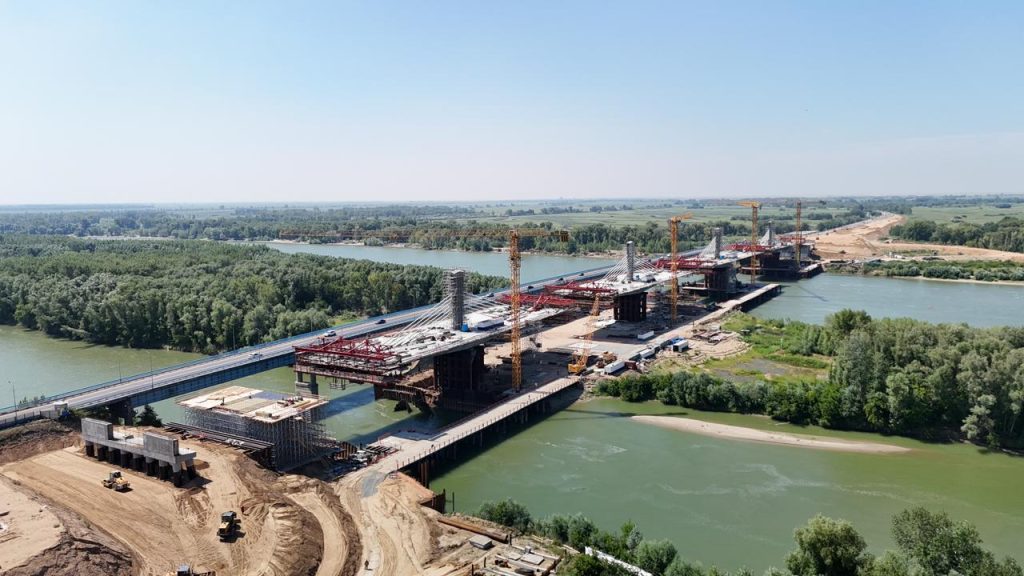
The construction of Kazakhstan’s first extradosed bridge across the Irtysh River is more than a major infrastructure project. It marks an important stage in the development of the country’s engineering expertise.
The extradosed structural system combines the advantages of girder and cable-stayed bridges: a rigid superstructure works together with a system of stay cables and relatively low pylons. Behind its visually restrained architecture lies a complex engineering model in which the sequence of concreting, geometric accuracy, cable tensioning and deformation monitoring are critical at every stage.
“On projects of this complexity, quality cannot be assessed only after construction is complete. Reliability is built every day through materials testing, geodetic control, strict compliance with construction technology and careful analysis of every deviation,” Engineering Services experts note.
To provide professional technical oversight for this unique project, Engineering Services specialists completed specialised training in China, Norway and Poland. This international experience strengthened the team’s expertise in bridge engineering, cable-supported systems, complex structural inspection and modern technical monitoring methods.
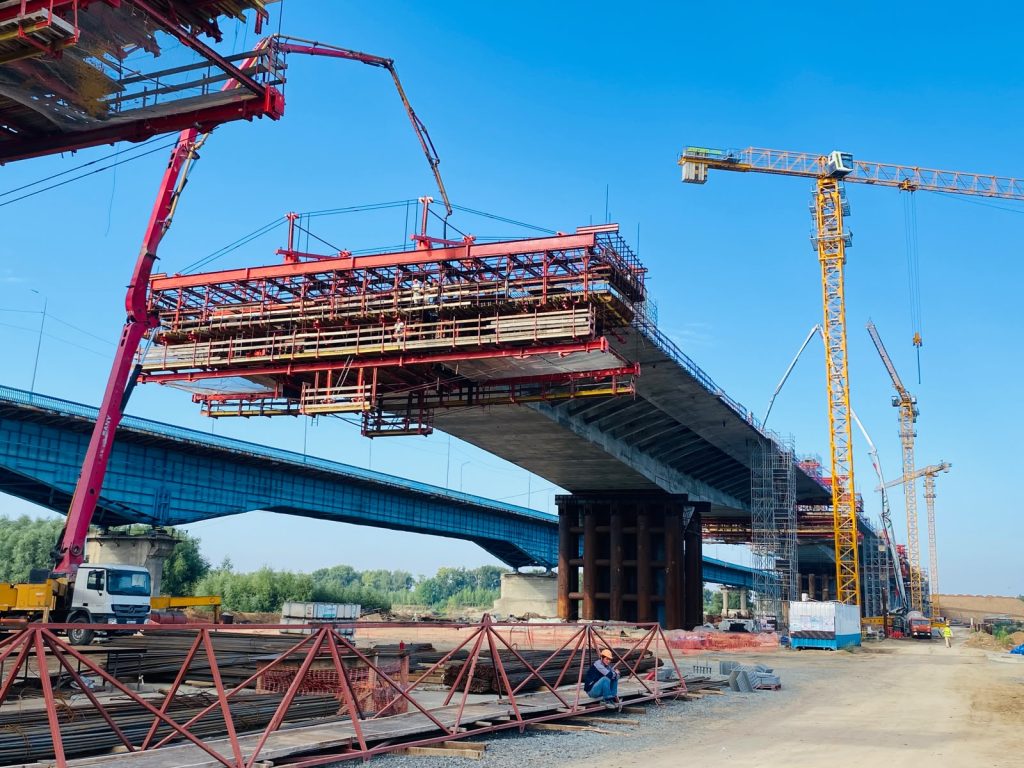
Participation in the project has taken Engineering Services’ engineering capabilities to a new level. The company’s work requires an integrated approach—from verifying compliance with design solutions to reviewing as-built documentation, monitoring structural geometry and ensuring the traceability of critical construction stages.
Kazakhstan’s first extradosed bridge will become more than a transport crossing. It is an engineering milestone that builds new national expertise in bridge construction and raises standards for quality, digital monitoring and professional responsibility across the industry.
 0
0
Похожие статьи